



















George Toms (Head of Teaching and Learning) looks at how Rendcomb is using metacognition and behavioural science to help pupils fulfil their potential.
Rendcomb is an exceptional environment for children to learn, not only because of its beautiful setting but also because of the care we take in the small details that creates a culture where pupils feel empowered to achieve their best.

With the New Year often prompting reflections and resolutions it feels timely to talk about habits, something we have been cultivating at Rendcomb for quite some time.
At Rendcomb College, we are passionate about helping every pupil fulfil their potential. To support this, we have developed our own bespoke Philosophy of Teaching and Learning which champions high expectations in all aspects of the classroom to create the most effective learning environments possible.
Our approach is grounded in evidence-informed research and shows that excellence derives from small, sustained habits that add up over time. James Clear, author of Atomic Habits, describes each of these every-day actions as ‘a vote for the person you wish to become’, which is why we promote habits that are not only crucial to academic success but also personal growth. Critical thinking, empathy, service, creativity, courage, curiosity and perseverance are the virtues woven into daily life at Rendcomb as we pursue the College’s core aim of nurturing thoughtful, adventurous and ambitious young people who enjoy learning and are excited about the possibilities around them. This commitment to preparing pupils for life-long learning allows them to feel more comfortable and confident challenging themselves as they discover what they are capable of and can take full advantage of the opportunities available to them at Rendcomb.
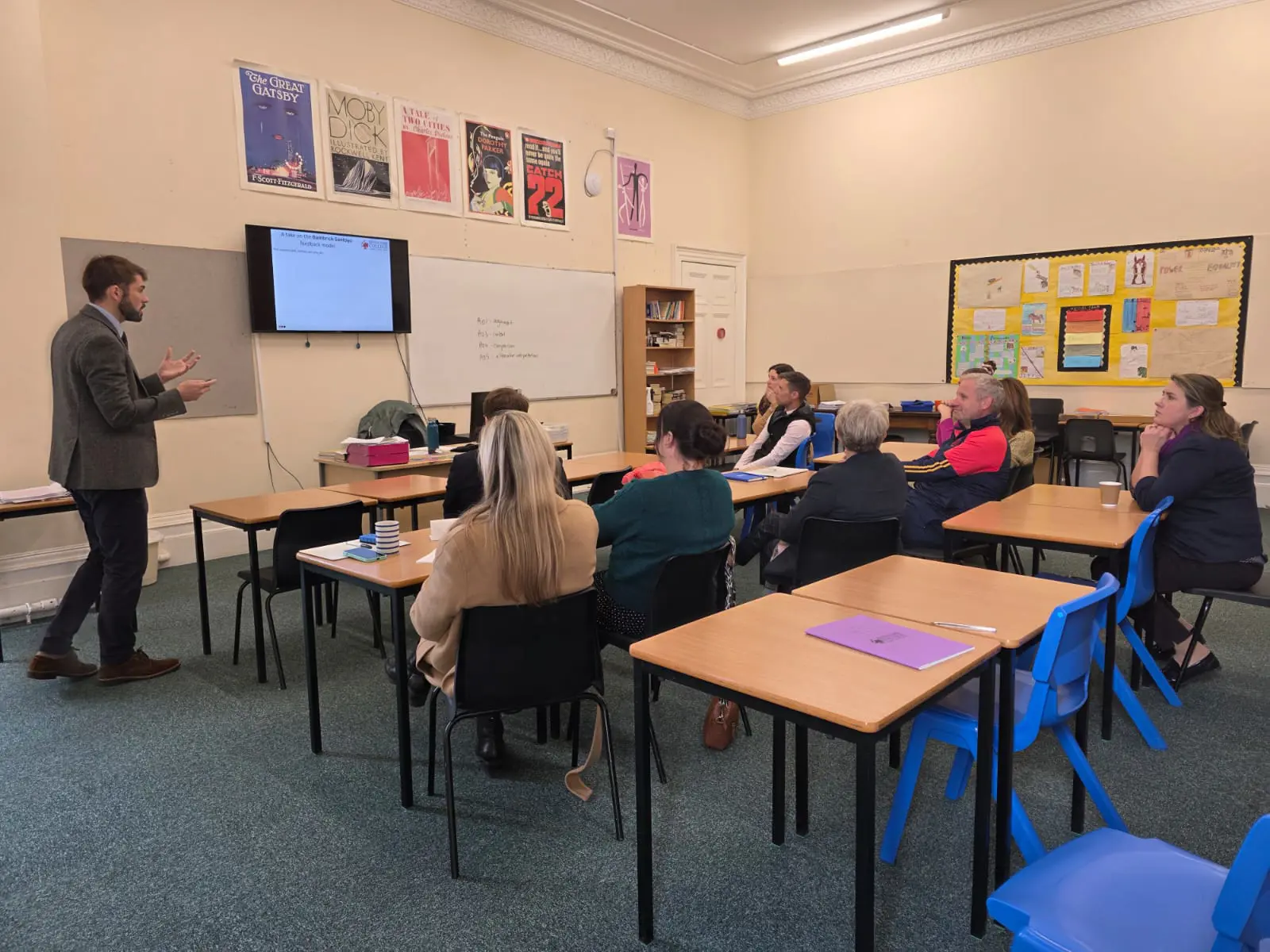
Teachers volunteered to form a team that conduct lesson observations as a way to share excellent teaching and learning strategies from classrooms across the College.
Maximising thinking time
One of our recent whole-school focuses has been on ‘maximising thinking time’ through various strategies because without thinking, there cannot be learning. This simple but powerful concept ensures that every pupil is actively involved in lessons and that they are given the time they need to formulate their ideas before responding. Research shows that this leads to richer, more extended answers and helps pupils feel more confident when contributing to discussion.
The Learning Pit: embracing challenge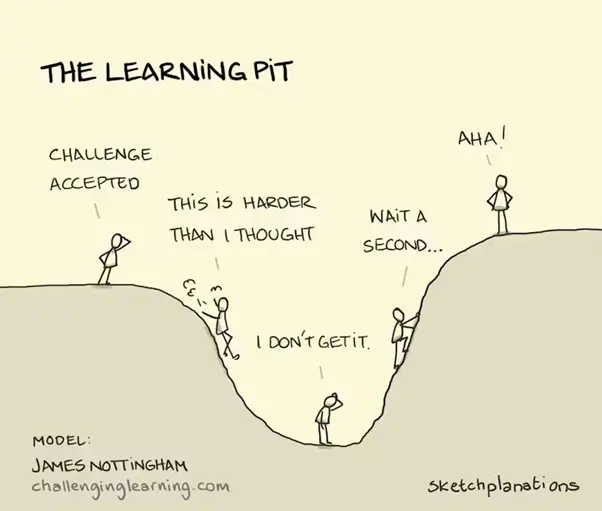
This work aligns closely with our use of James Nottingham’s ‘Learning Pit’, a model that helps pupils understand the value of challenge in the learning process. By visualising the journey, pupils learn that thinking hard - even when it feels uncomfortable - is essential for long-term progress. Studies show that grappling with new concepts promotes stronger, more secure understanding over time.
We were delighted to welcome James Nottingham to the College last year as our keynote speaker for staff INSET and he was extremely impressed by how authentically we are bringing the principles of the Learning Pit to life.
A culture where the little things matter
As you can see, we are committed to ensuring that all pupils are equipped with the tools, skills and qualities they need to flourish at Rendcomb and beyond. We are a school where everyone strives to keep pushing their own personal best, working to the highest possible standards, even when it comes to the smallest day-to-day habits.
To borrow a final thought from Atomic Habits: instead of ‘practice makes perfect’, think ‘you get what you repeat’. Here at Rendcomb, we are helping pupils build those meaningful repetitions, one small, purposeful habit at a time.